The wholesale candle market in Europe and North America continues to show steady, long-term growth. Driven by home fragrance trends, wellness consumption, gifting culture, and private label retail programs, candles remain one of the most reliable product categories for B2B buyers.
However, building a profitable wholesale candle manufacturer business requires more than attractive designs or trending scents. Successful wholesalers understand that product consistency, regulatory compliance, pricing structure, and manufacturing partnerships are what determine long-term success.
This guide outlines how professional B2B buyers approach the wholesale candle business in Europe and North America—and what to look for when sourcing from overseas manufacturers.
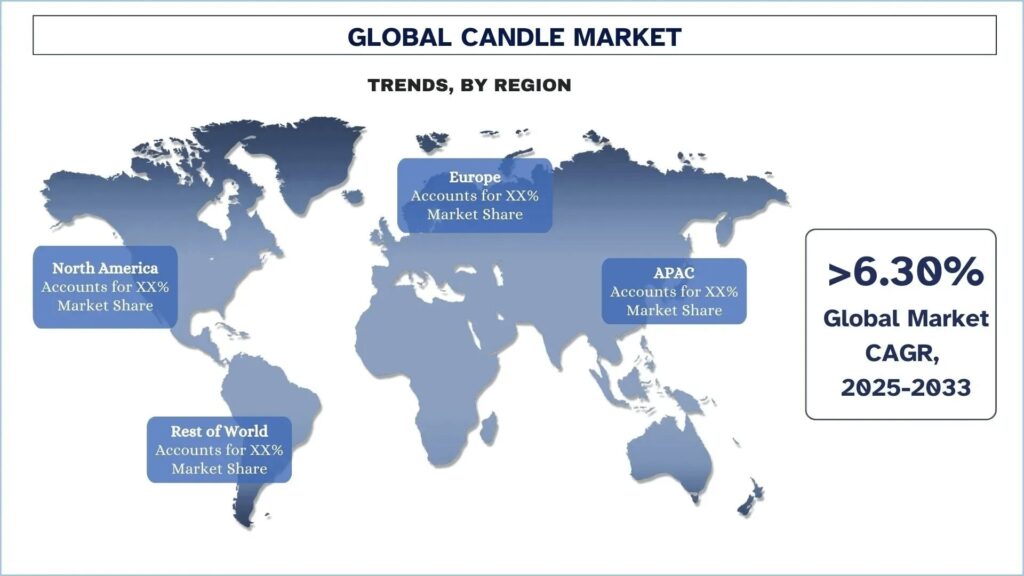
1. Market Overview: Europe vs North America
Although Europe and North America are often grouped together, wholesale candle demand behaves differently in each region.
In Europe, buyers place strong emphasis on:
- Sustainability and clean-label positioning
- Regulatory compliance across multiple countries
- Seasonal collections tied to retail calendars
- Private label programs for supermarkets and chain retailers
In North America, wholesale demand is driven by:
- Lifestyle and home fragrance branding
- Scent performance and recognizable fragrance profiles
- Gift-oriented packaging and limited editions
- Omni-channel wholesale models supported by DTC brands
For wholesalers, global candle industry trends mean candle programs must be scalable, repeatable, and compliant, rather than trend-driven experiments.
2. What Wholesale Buyers Actually Expect from Candle Products
Wholesale buyers prioritize reliability over novelty. Products that succeed in repeat orders typically share these characteristics:
- Stable burn time and even wax consumption
- Consistent scent throw across production batches, custom scented candles for wholesale
- Uniform appearance suitable for retail shelves
- Packaging that supports logistics and handling
- Clear documentation for compliance and labeling
Experienced buyers know that a candle that performs inconsistently will quickly lead to returns, lost shelf space, and damaged buyer–supplier relationships.
3. Wholesale Pricing: Understanding Margins Beyond Unit Cost
One of the most common mistakes in wholesale candle sourcing is focusing solely on unit price.
In Europe and North America, wholesale pricing decisions are based on:
- Long-term cost stability
- Volume-based scalability
- Predictable lead times
- Reduced quality risk
Competitive pricing does not mean choosing the cheapest supplier. It means selecting a manufacturer who understands how to optimize formulations, packaging choices, and production planning to protect margins over multiple seasons.
Many successful wholesale programs are built on suppliers who help buyers avoid costly delays, rework, and compliance issues—not just lower initial quotes.
4. Compliance Is a Business Requirement, Not a Detail
Compliance is one of the most critical—and often underestimated—factors in the wholesale candle business.
Wholesale buyers in Europe and North America must ensure:
- Fragrance usage follows recognized standards
- Safety labels and warnings are market-appropriate
- Packaging materials meet regulatory requirements
- Products are suitable for cross-border distribution
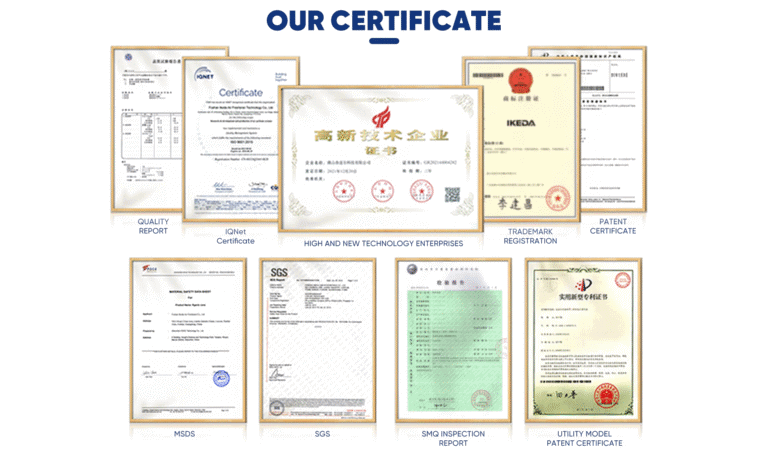
Manufacturers who proactively manage compliance reduce legal and financial risk for wholesalers, especially those selling into multiple countries or retail chains.
This is why compliance knowledge is often a deciding factor when choosing long-term manufacturing partners.
5. Private Label Candles: A Key Growth Strategy
Private label candles represent one of the fastest-growing segments in the wholesale market.
For wholesalers, private label programs offer:
- Exclusive product positioning
- Greater pricing control
- Stronger retailer relationships
- Protection from direct price competition
A capable private label manufacturer should support:
- Custom wax formulations and fragrance development
- Sampling and pre-production validation
- Packaging adaptation for different markets
- Scalable production planning
private label candle wholesale manufacturing process transforms candles from a commodity into a strategic brand asset.
6. Lead Time, MOQ, and Inventory Planning
Inventory planning is one of the most challenging aspects of wholesale candle operations.
Professional wholesalers typically:
- Forecast seasonal demand 3–6 months in advance
- Allocate time for sampling, testing, and approvals
- Build buffer periods for shipping and peak seasons
Manufacturers with realistic MOQ structures and transparent lead-time planning allow wholesalers to manage cash flow, reduce overstock, and avoid missed selling windows.
Flexibility at the manufacturing level often determines whether a wholesale program grows smoothly or stalls under operational pressure.
7. What Wholesale Buyers Worry About — But Rarely Ask
Behind every sourcing decision, wholesale buyers are asking questions they don’t always voice:
- Will quality stay consistent after the first order?
- Will lead times change during peak season?
- Who is responsible if compliance issues arise?
- Can this supplier scale as my business grows?
- Will communication remain clear when problems occur?
Manufacturers who anticipate these concerns—and address them proactively—tend to become long-term partners rather than short-term vendors.
8. Choosing the Right Manufacturing Partner
The most successful wholesale candle businesses in Europe and North America work with manufacturers who function as strategic partners, not order processors.
Key indicators of a reliable manufacturing partner include:
- Clear and transparent communication
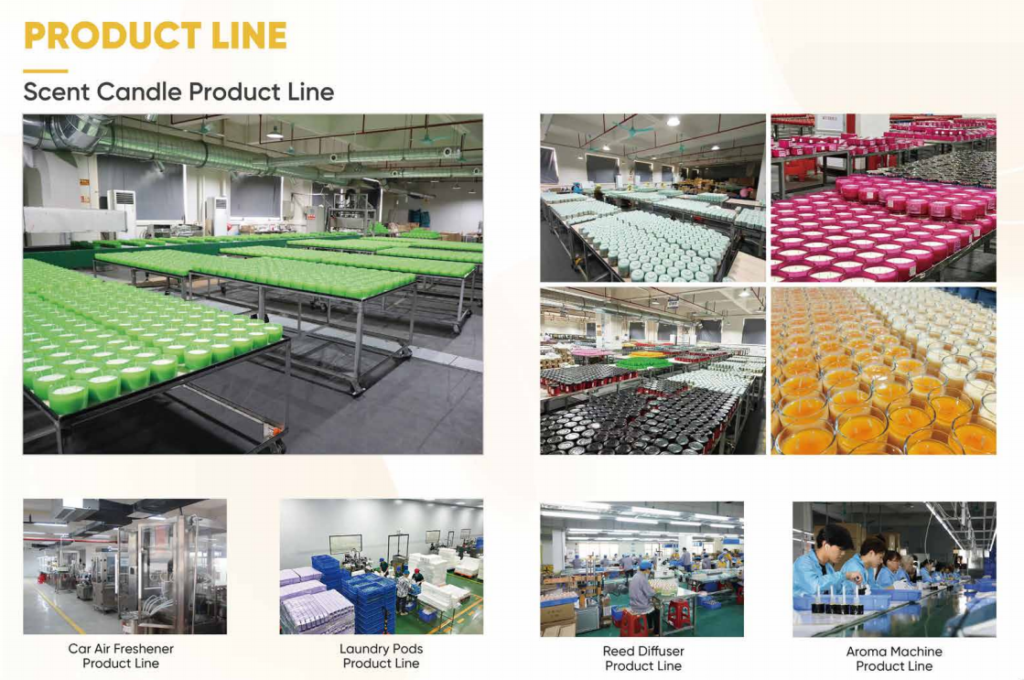
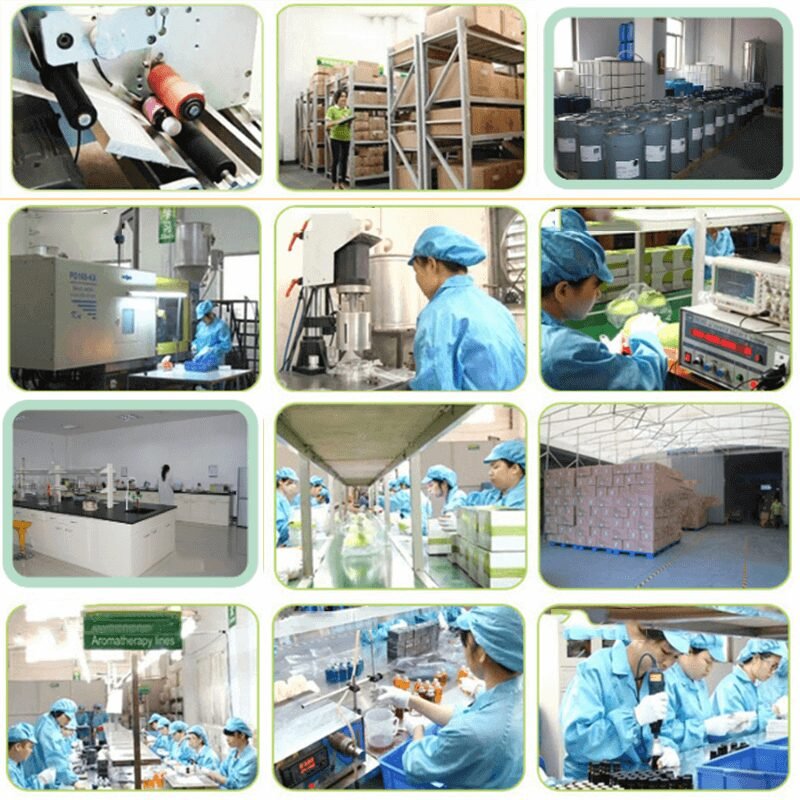
- Structured quality control systems
- Export experience to target markets
- Ability to scale production volume
- Willingness to support private label development
Many of the best practices outlined in this guide reflect how experienced manufacturers support long-term wholesale programs rather than transactional orders.
9. How IKEDA Supports Wholesale Candle Businesses
Manufacturers like IKEDA work closely with wholesalers, distributors, and private label brands supplying Europe and North America.
Rather than focusing solely on production, IKEDA supports B2B clients by:
- Helping define realistic MOQ and pricing strategies
- Maintaining consistent quality across repeat orders
- Supporting compliance awareness for different markets
- Planning scalable production for seasonal and annual programs
This partnership-driven approach helps wholesalers reduce sourcing risk and build more predictable supply chains as their businesses grow.
10. Common Mistakes Wholesale Buyers Should Avoid
Even experienced buyers can encounter challenges when expanding candle programs. Common mistakes include:
- Selecting suppliers based only on price
- Underestimating compliance complexity
- Failing to plan for seasonal production peaks
- Treating manufacturers as short-term vendors
Avoiding these issues often saves more money than negotiating lower unit costs.
Final Thoughts: Building a Sustainable Wholesale Candle Business
The wholesale candle business in Europe and North America rewards companies that prioritize consistency, compliance, and long-term planning.
Candles are not a short-term trend. When supported by the right manufacturing strategy, they remain a repeat-purchase product category with strong brand and margin potential.
Next Step: Talk to IKEDA About Your Wholesale Candle Strategy
If you are evaluating or expanding your wholesale candle business for Europe or North America, working with an experienced manufacturing partner can significantly reduce risk and improve long-term profitability.
IKEDA supports B2B buyers with:
- Wholesale and private label candle manufacturing
- Market-aware production planning
- Export-ready compliance understanding
- Scalable, long-term supply solutions
👉 Talk to IKEDA about your wholesale candle sourcing plan for Europe or North America
👉 Request samples or a private label consultation