In the candle business, product appearance is no longer enough.
Today’s customers expect scented candles to last longer, smell stronger, and burn evenly from the first use to the last. For candle brands, wholesalers, and private label buyers, poor candle performance often leads to negative reviews, product returns, and lower repeat orders.
Many candle importers experience the same issue. A candle may look luxurious on the shelf, but once customers light it at home, the scent feels weak or the wax starts tunneling after a few burns.
This is why more buyers are paying attention to candle burn time and scent throw before choosing a candle manufacturer. Many candle brands now focus on long-lasting fragrance performance and premium private label candle collections.
Understanding what affects candle performance can help brands develop better products and build stronger customer loyalty.
Why Candle Performance Matters for Candle Brands
In competitive markets like North America and Europe, consumers are becoming more selective about home fragrance products.
A candle that burns too quickly or produces weak fragrance often feels low quality, even with premium packaging.
For retailers and private label candle brands, high-performance candles can help:
- Increase customer satisfaction
- Improve online reviews
- Reduce complaints
- Encourage repeat purchases
- Build a premium brand image
This is also why search terms like:
- long burning scented candles
- strong scent throw candles
- luxury private label candles
- custom scented candle manufacturer
continue growing in Google searches.
Best Wax Types for Long Burning Candles
Wax selection is one of the biggest factors affecting candle quality.
Different waxes create different burning experiences, fragrance strength, and production costs.
| Wax Type | Burn Time | Scent Throw |
|---|---|---|
| Soy Wax | Long | Medium |
| Paraffin Wax | Medium | Strong |
| Coconut Blend | Long | Strong |
Soy Wax Candles
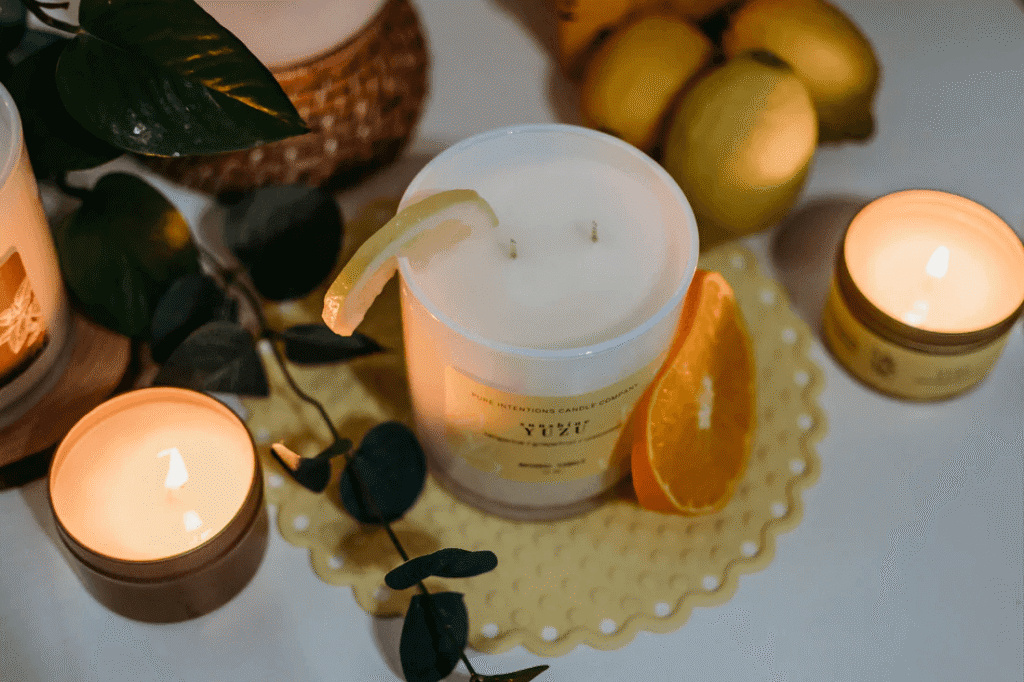
Soy wax is popular in eco-friendly candle collections.
It burns slower than many traditional waxes and supports a cleaner brand image.
Many wellness and lifestyle brands prefer soy candles because customers increasingly look for natural home fragrance products.
However, one common challenge with pure soy wax is weaker hot throw.
Some candle brands choose pure soy at first, but later switch to soy blends after customers complain that the fragrance feels too light in larger rooms.
This is especially common in hotel candles and luxury home collections.
Paraffin Wax Candles
Paraffin wax is widely used in commercial candle manufacturing because it produces strong scent throw.
It holds fragrance oils very effectively and performs well in larger spaces.
For brands focused on strong fragrance performance, paraffin blends are still one of the most practical choices.
Many high-volume candle wholesalers continue using paraffin blends because they offer:
- lower production costs
- stronger fragrance projection
- stable large-scale manufacturing
Coconut Wax Blends
Coconut wax has become increasingly popular in luxury candle manufacturing.
It burns smoothly and creates a premium appearance.
Many high-end candle brands now use coconut-soy blends to balance sustainability, burn performance, and fragrance strength.
This trend is growing quickly in the European and North American markets.
How Fragrance Load Impacts Scent Throw
Fragrance load refers to the amount of fragrance oil added to the wax.
This directly affects both:
- cold throw (how the candle smells before lighting)
- hot throw (how the candle smells while burning)
A common mistake in candle development is adding too much fragrance oil.
More fragrance does not always create a stronger candle. Fragrance oils should meet industry safety standards.
Excess fragrance oil may cause:
- poor burning
- oil leakage
- unstable flames
- frosting issues
- weak scent distribution
Professional candle manufacturers usually test fragrance compatibility multiple times before final production.
For most candles, fragrance loads between 6% and 10% are commonly used depending on the wax formula.
Why Wick Testing Matters in Candle Manufacturing
Wick selection is often underestimated by new candle brands.
But the wrong wick can completely change candle performance.
If the wick is too small:
- the candle tunnels
- wax melts unevenly
- fragrance throw becomes weak
If the wick is too large:
- the candle burns too fast
- smoke appears
- jars may overheat
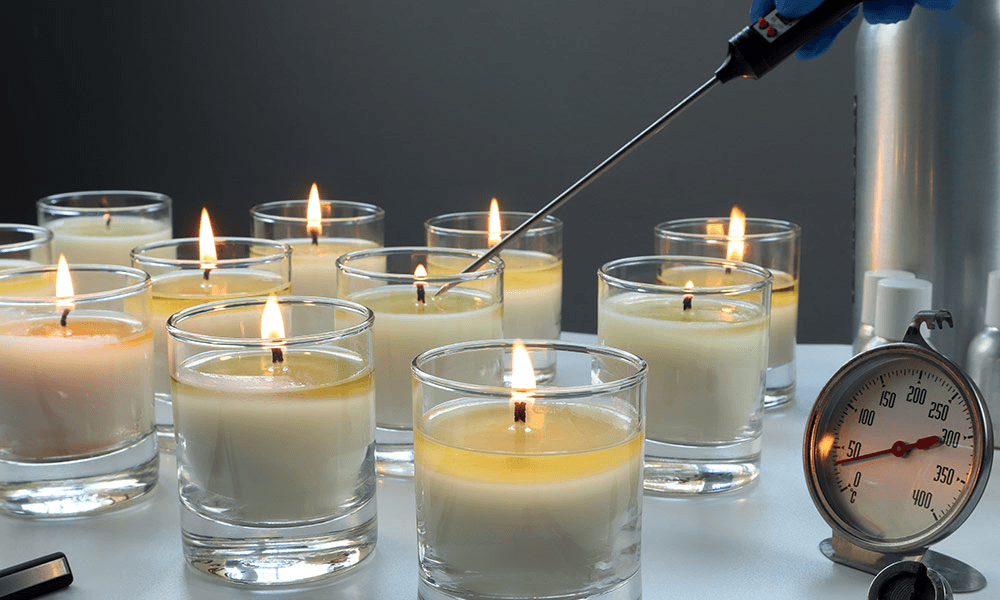
Experienced OEM candle factories usually test several wick sizes before mass production begins.
This process helps ensure:
- even burning
- safer flame height
- better scent throw
- consistent customer experience
For private label candle projects, wick testing is one of the most important production steps.
Common Candle Burn Problems
Many candle complaints come from a few common performance issues.
Understanding these problems helps brands improve product quality before launching into the market.
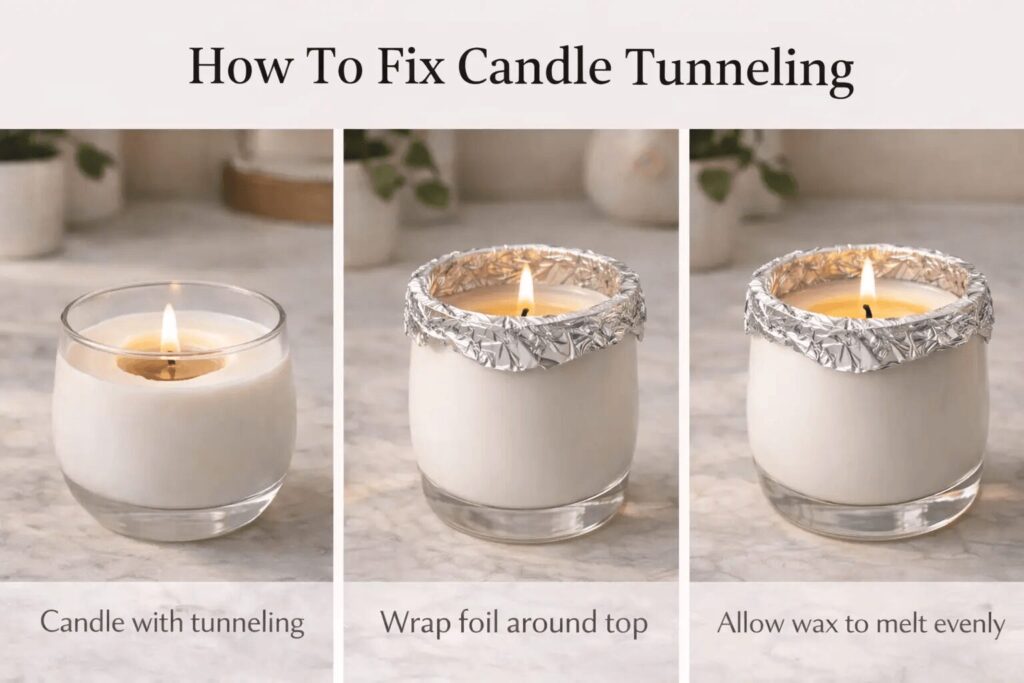
Candle Tunneling
Tunneling happens when only the center wax melts while wax remains around the edges.
This problem is often caused by:
- incorrect wick size
- short first burn time
- unsuitable wax formula
Tunneling makes candles look unfinished and reduces overall burn time.
Weak Scent Throw
Weak scent throw is one of the biggest frustrations for consumers.
This may happen because of:
- low fragrance load
- poor fragrance oil quality
- incompatible wax blends
- improper curing time
Many buyers focus only on fragrance selection, but wax and wick compatibility are equally important.
Uneven Burning
Uneven burning affects both appearance and performance. Proper burning practices can improve candle performance.
Luxury candle brands usually avoid this issue through repeated burn testing during product development.
Container Size Also Changes Candle Performance
Jar size directly affects burn behavior and fragrance distribution.
A fragrance formula that performs well in a small candle may feel weak in a larger container.
This is why many candle manufacturers adjust:
- wick thickness
- fragrance concentration
- wax blends
based on container dimensions.
Multi-wick candles are also becoming more common in larger luxury candle collections.
Storage Conditions Affect Candle Quality
Even high-quality candles can lose performance if stored incorrectly.
Heat, humidity, and direct sunlight may damage fragrance oils over time.
For candle importers and distributors, proper warehouse storage is extremely important during shipping and seasonal inventory periods.
Most scented candles should be stored in cool and dry environments to maintain fragrance stability.
Why More Brands Focus on Candle Testing Today
Customer expectations are higher than before.
A beautiful label alone is no longer enough to compete in the candle market.
Many candle brands now request:
- burn testing reports
- fragrance performance testing
- stability testing
- wick compatibility testing
before confirming mass production.
Reliable candle manufacturers understand that consistent performance is critical for long-term brand growth.
Choosing the Right Private Label Candle Manufacturer
When sourcing candles, price should not be the only factor.
A professional candle supplier should also understand:
- wax performance
- fragrance behavior
- burn consistency
- market trends
- packaging compatibility
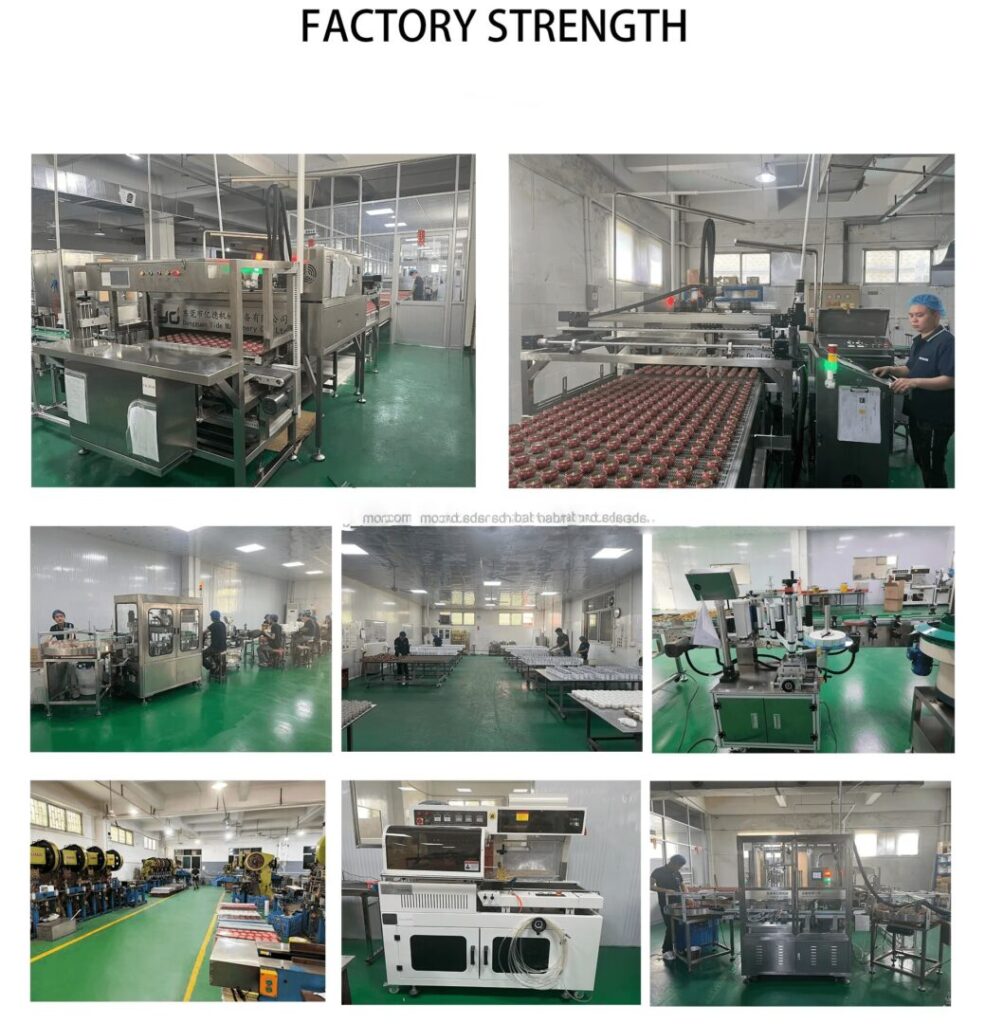
Experienced candle factories can often help brands reduce product issues before products even reach the market.
This is especially important for:
- luxury candle brands
- hotel fragrance collections
- subscription box candles
- retail home fragrance brands
Final Thoughts
Burn time and scent throw are influenced by many factors, including wax type, fragrance load, wick selection, container size, and manufacturing experience.
For candle brands and wholesalers, understanding these details can help create products that customers genuinely enjoy using.
As competition in the home fragrance market continues to grow, candle performance is becoming just as important as packaging and design.
Brands that focus on long-lasting burn time and strong scent throw are more likely to build customer trust and increase repeat business.
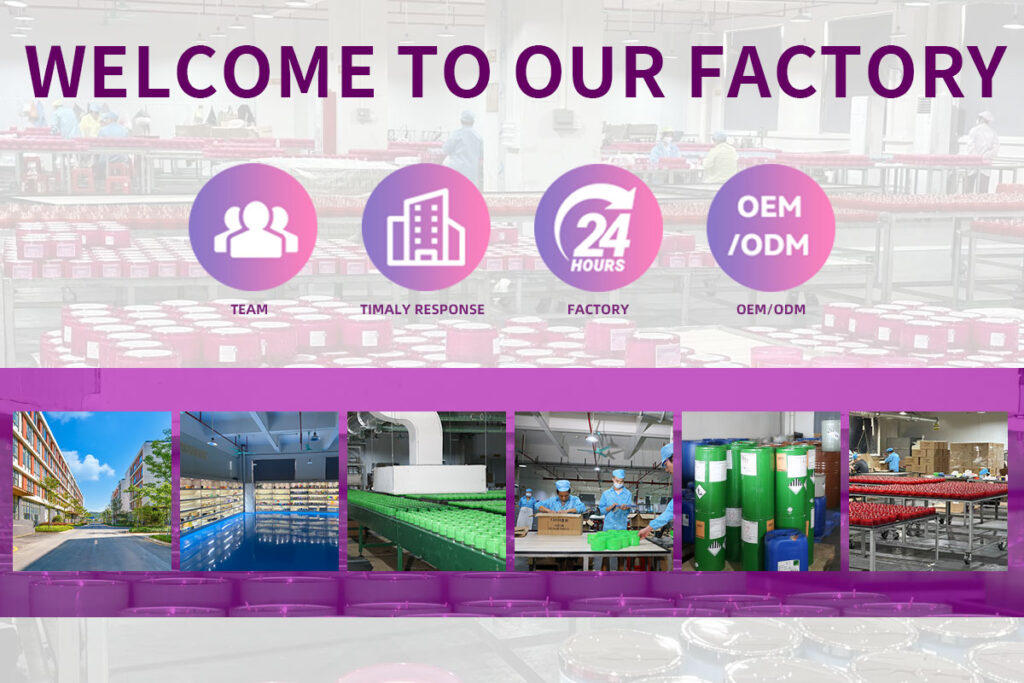
Looking for a Reliable Candle Manufacturing Partner?
At IKEDA, we help brands develop:
- private label scented candles
- long-burning candle collections
- custom fragrance solutions
- OEM and ODM candle products
Whether you are building a luxury candle brand or expanding your wholesale candle business, Contact our team can support your product development from fragrance selection to final packaging.