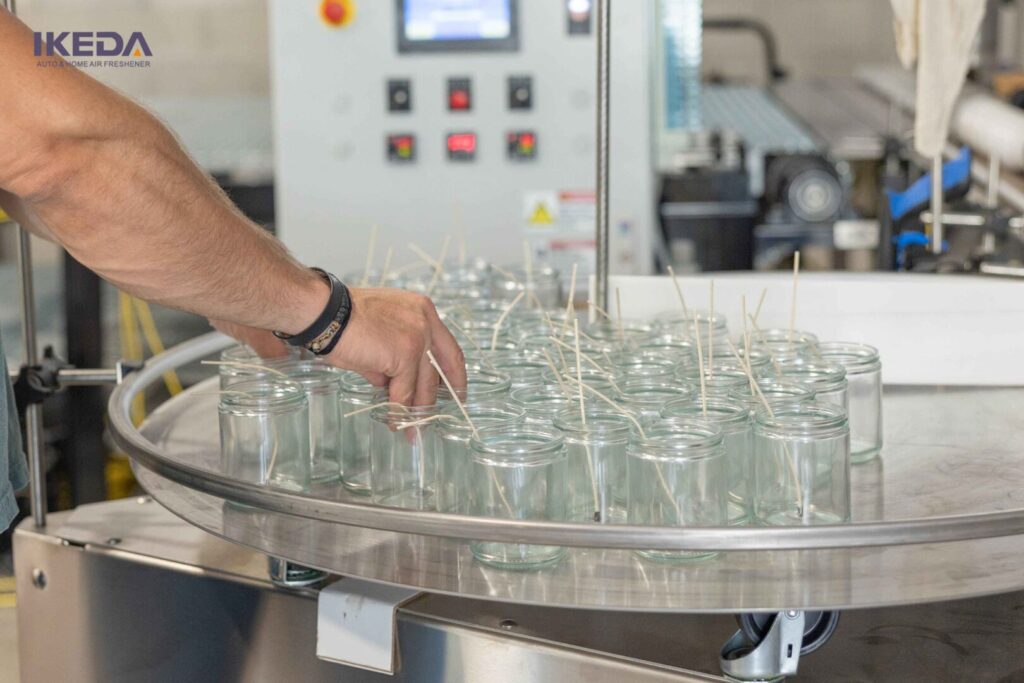
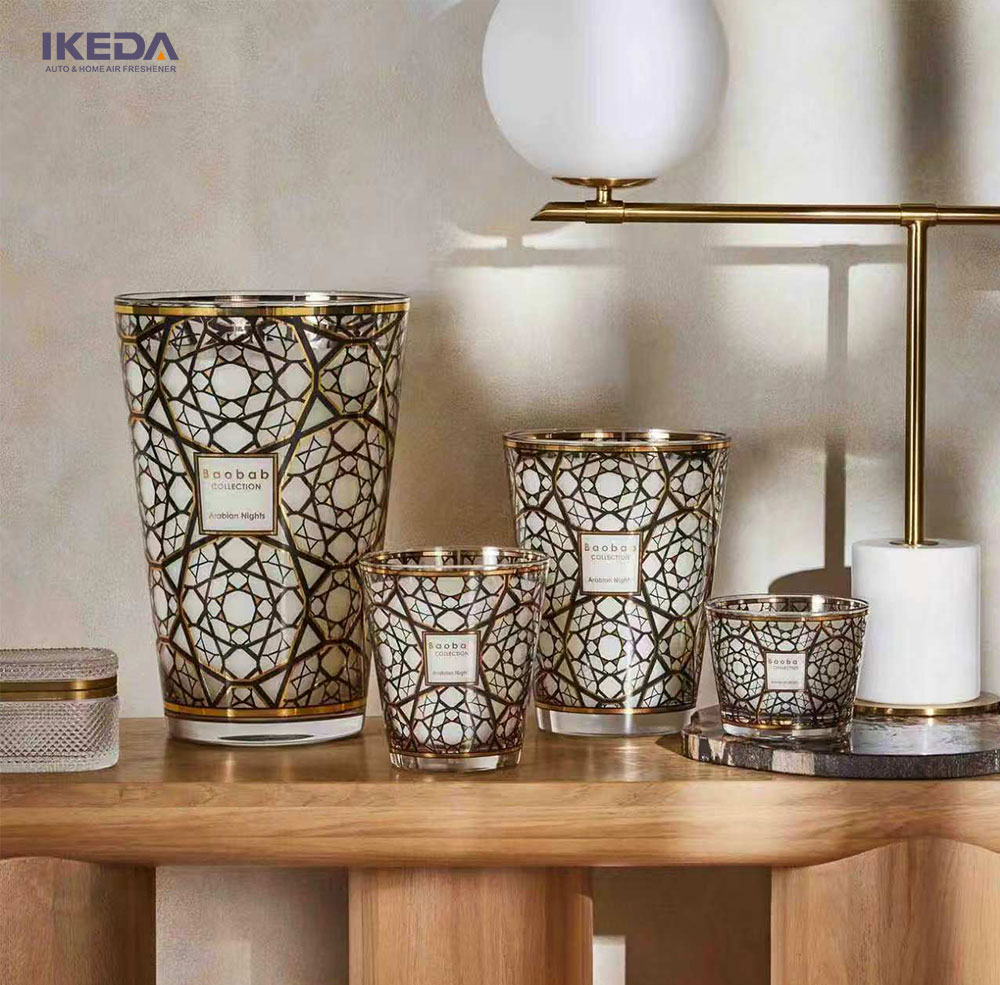
The global demand for scented candles continues to grow steadily, driven by the expansion of home fragrance markets, lifestyle brands, and private label retail programs. Industry reports estimate the global candle market will exceed USD 16 billion by 2030, with premium scented candles representing one of the fastest-growing segments.
For importers, distributors, and brand owners entering this category, one of the most important sourcing decisions is choosing between OEM custom candles and wholesale ready-made candles.
While both options allow businesses to enter the candle market, they serve very different purposes in terms of brand positioning, pricing control, and long-term competitiveness.
Understanding the difference between OEM and wholesale sourcing helps buyers select the most suitable strategy based on their business goals.
What Are OEM Candles?
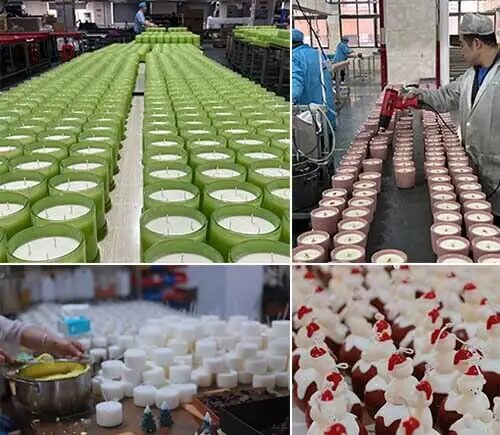
OEM (Original Equipment Manufacturer) candles are produced according to the buyer’s specifications. A professional OEM candle manufacturer develops products based on brand requirements, including fragrance, packaging, materials, and labeling.
OEM production is commonly used by:
- private label brands
- online retailers
- subscription box companies
- retail chains
- importers and distributors
- promotional product companies
Typical customization options include:
- fragrance development (single scent or custom blends)
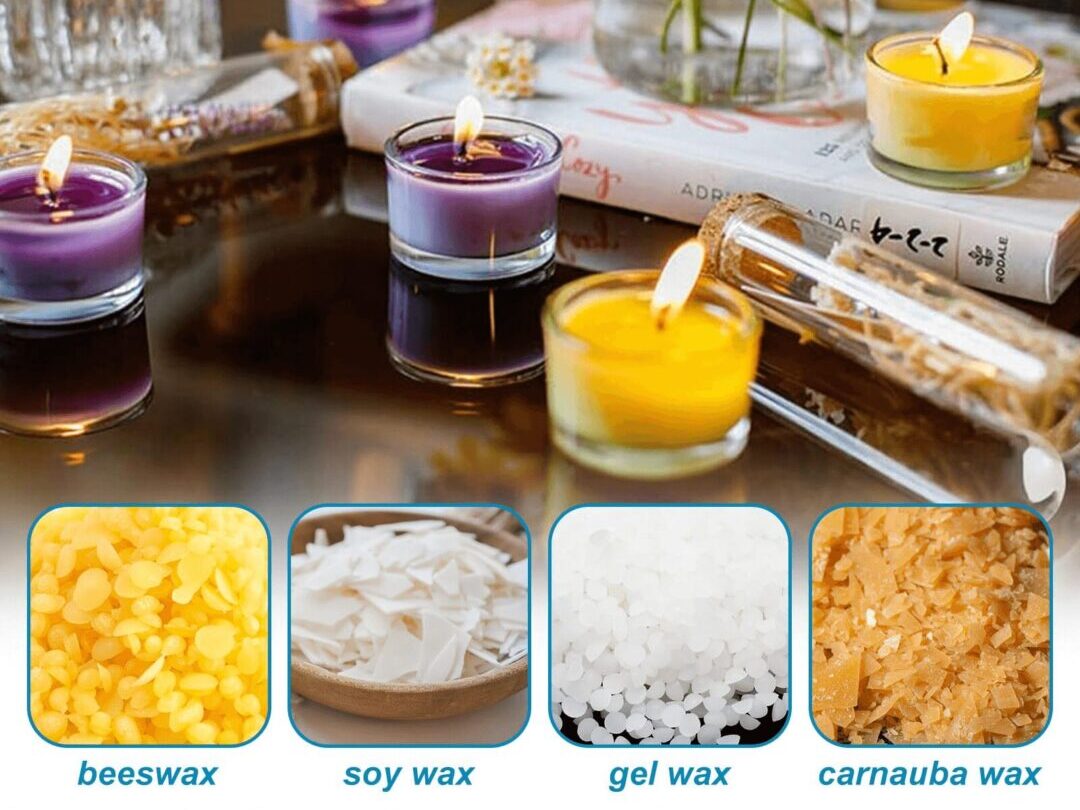
- wax formulation (soy wax, paraffin wax, coconut wax, blended wax)
- container selection (glass jar, tin, ceramic, luxury vessels)
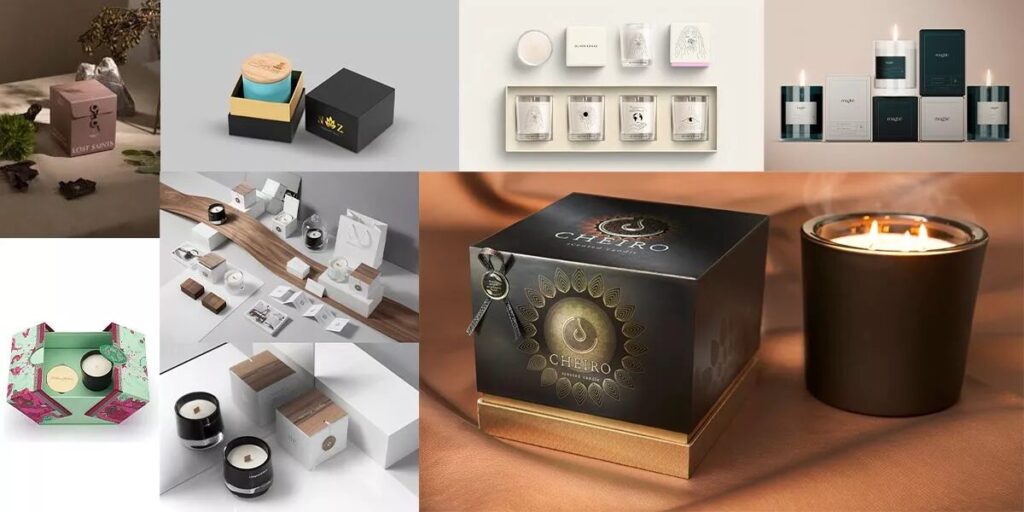
- packaging design (gift boxes, rigid boxes, eco-friendly packaging)
- label printing or logo engraving
- color matching
- burn time adjustment
- seasonal product development
From manufacturing experience, most private label scented candle projects require 2–3 rounds of sample adjustments before final approval, especially when custom fragrance intensity or packaging details are involved.
Typical OEM orders from retail brands range between 2,000 and 20,000 units per fragrance, depending on market positioning and packaging complexity.
OEM solutions allow brands to create differentiated products that are not directly comparable with mass-market alternatives.
What Are Wholesale Candles?
Wholesale candles are pre-produced products sold in bulk with limited customization options. Buyers usually select from a supplier’s existing product catalog and purchase ready-made designs.
Wholesale sourcing is widely used by:
- discount retailers
- convenience stores
- supermarkets
- seasonal sellers
- event companies
- online resellers
- gift shops
Wholesale candle suppliers typically offer:
- standard fragrance collections
- fixed packaging styles
- shorter production lead time
- lower minimum order quantities
MOQ for wholesale candles may start from 200–500 units per style, depending on supplier stock availability.
Because wholesale products are standardized, the same product design may be supplied to multiple buyers across different markets.
This makes wholesale candles suitable for short-term selling strategies or fast inventory replenishment.
OEM vs Wholesale Candles: Key Differences
1. Product Differentiation
One of the main advantages of OEM candles is the ability to create exclusive products aligned with brand identity.
Customization options allow businesses to:
- develop signature fragrances
- create unique packaging concepts
- launch seasonal collections
- build recognizable product lines
- establish premium positioning
Wholesale candles are typically standardized products, meaning competitors may offer identical items.
For brands seeking long-term growth, product differentiation plays a critical role in reducing direct price competition.
Market observation shows that lifestyle brands with unique packaging and consistent fragrance identity often achieve higher customer retention rates compared to generic products.
2. Brand Value and Pricing Strategy
Private label candles support brand storytelling, which has become increasingly important in consumer purchasing decisions.
Research indicates that over 70% of consumers consider packaging design an important factor when purchasing home fragrance products.
OEM manufacturing enables companies to:
- control brand presentation
- maintain consistent design language
- position products in mid-to-premium price ranges
- protect retail margins
Wholesale products are often more price-sensitive, as similar items may be widely available across multiple sales channels.
Businesses focused on long-term brand development usually prefer OEM production to maintain pricing stability.
3. Minimum Order Quantity Flexibility
MOQ varies depending on packaging complexity and customization level.
Typical MOQ ranges:
OEM candles:
1000–3000 units per fragrance
custom packaging projects:
3000–5000 units per design
Wholesale candles:
200–500 units per style
Some experienced custom candle manufacturers provide flexible MOQ solutions for growing brands testing new product lines.
Lower MOQ options are often available for standard containers with customized labeling.
4. Cost Structure Comparison
Wholesale candles generally require lower upfront investment because product development costs are shared across multiple buyers.
OEM candle production may include:
- sampling cost
- packaging setup cost
- fragrance development adjustments
- printing plate or mold preparation
However, private label candles often achieve higher retail margins.
Typical industry margin reference:
Wholesale candle retail margin:
30%–45%
Private label candle retail margin:
50%–70%
Stronger margins allow brands to reinvest in marketing and expand product collections.
5. Production Timeline
Production lead time differs between wholesale and OEM projects.
Wholesale candles:
7–15 days depending on stock availability
OEM candles:
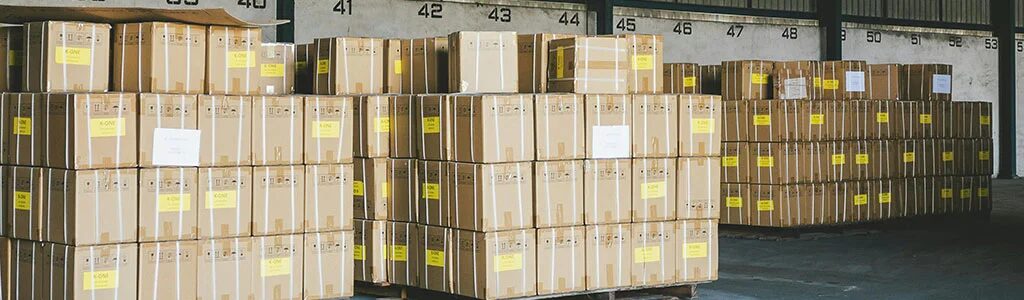
25–45 days including sampling confirmation and packaging production
Complex packaging or custom vessels may require additional development time.
Brands planning seasonal launches usually confirm designs 2–3 months before peak sales periods.
6. Market Competitiveness
The candle market has become increasingly competitive, particularly in e-commerce environments where product listings can appear similar.
Private label scented candles help businesses:
- create exclusive collections
- avoid direct price comparison
- build customer loyalty
- improve perceived brand value
- control long-term product strategy
Wholesale products provide convenience but limited exclusivity.
Many importers initially test markets using wholesale candles, then transition to OEM production once sales volume becomes stable.
Real Example: When Brands Choose OEM Instead of Wholesale
A mid-sized home fragrance brand entering the North American market initially sourced wholesale candles to test product demand.
After identifying best-selling fragrance categories, the company shifted to OEM production to develop signature scents and premium packaging.
Within 12 months, the brand achieved stronger product differentiation and improved retail margins due to reduced price competition.
This transition from wholesale sourcing to private label manufacturing is common among growing candle brands.
Who Should Choose OEM Candles?
OEM candles are suitable for:
- brands building long-term product lines
- retailers developing exclusive collections
- importers seeking stable supply partners
- companies focusing on premium positioning
- distributors wanting differentiated catalog products
- businesses aiming to improve margin control
Working with an experienced OEM candle manufacturer provides better flexibility for future product expansion.
Who Should Choose Wholesale Candles?
Wholesale candles are suitable for:
- businesses requiring fast delivery
- seasonal product sales
- promotional campaigns
- entry-level market testing
- price-driven retail environments
- short-term selling strategies
Wholesale sourcing offers simplicity but limited customization potential.
Typical OEM Candle Development Process
Professional private label candle suppliers usually follow structured development procedures:
product discussion
fragrance selection
container confirmation
packaging design
sample production
sample adjustment
bulk production
quality inspection
export packing
shipping arrangement
From manufacturing experience, most OEM candle projects require 3–5 weeks for production after sample approval.
Clear communication during sampling stage helps reduce production delays.
Industry Trend: Growth of Private Label Home Fragrance Products
Private label home fragrance products continue gaining popularity as more retailers develop independent product lines.
Key market trends include:
- increasing demand for eco-friendly wax materials
- strong interest in long-lasting fragrance performance
- growth of gift-ready packaging formats
- rising popularity of minimalist packaging design
- increased focus on sustainable packaging materials
Working with an experienced bulk candle manufacturer allows brands to respond quickly to market trends while maintaining consistent product quality.
Conclusion
Both OEM and wholesale candles provide valuable sourcing solutions depending on business objectives.
Wholesale sourcing offers speed and convenience, while OEM manufacturing supports brand differentiation and long-term competitiveness.
Companies aiming to build sustainable product lines often choose private label scented candles to strengthen market positioning and improve pricing control.
Understanding the differences between OEM and wholesale sourcing helps businesses make informed decisions and develop stronger product strategies.
Working with a professional custom candle manufacturer ensures stable production quality, flexible customization options, and scalable supply capability for growing brands. Get OEM Quote!