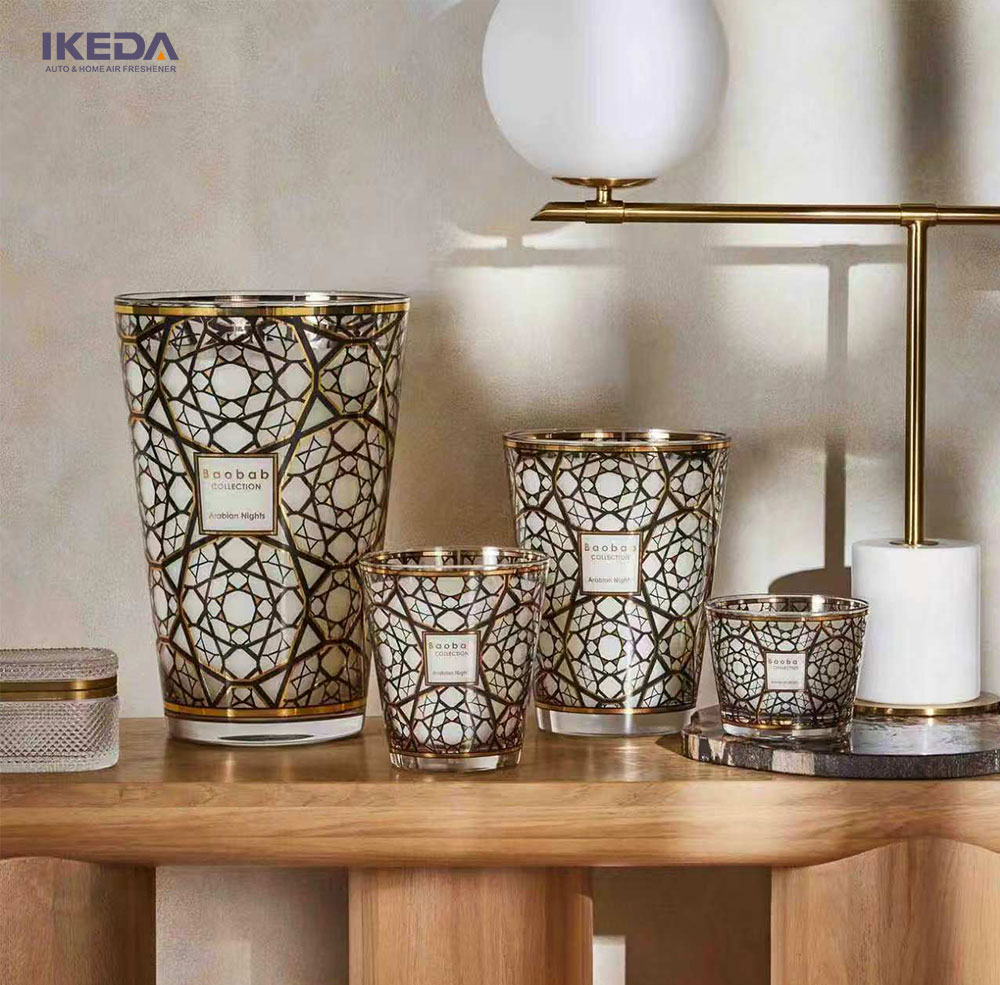
Candles may look simple, but producing high-quality candles requires advanced knowledge, precise manufacturing processes, and strict quality control. A professional candle factory does much more than simply melting wax and adding fragrance. Every step, from selecting raw materials to final packaging, affects the candle’s appearance, burning performance, fragrance experience, and customer satisfaction.
For brands, retailers, and wholesalers, choosing the right professional candle manufacturer is essential. A reliable factory should have strong production capabilities, consistent quality standards, and the ability to provide customized OEM and ODM candle solutions.
In this article, we will take you inside a professional candle factory and explain the complete candle manufacturing process step by step.
1. Selecting High-Quality Raw Materials
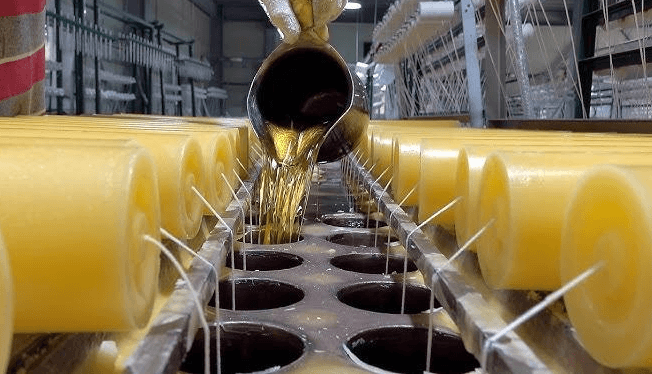
The first step in candle production is selecting the right raw materials. The quality of wax, fragrance, wick, and containers directly influences the final candle performance.
Wax Selection
Different types of wax create different candle characteristics:
- Paraffin wax: A popular choice for mass production because of its excellent scent throw and stable burning performance.
- Soy wax: A natural plant-based wax preferred by customers looking for eco-friendly candle options.
- Beeswax: A premium natural wax known for its clean burning properties.
- Coconut wax blends: A luxury option commonly used in high-end scented candles.
Professional candle manufacturers select wax formulas based on product positioning, target markets, and customer requirements.
Fragrance Selection
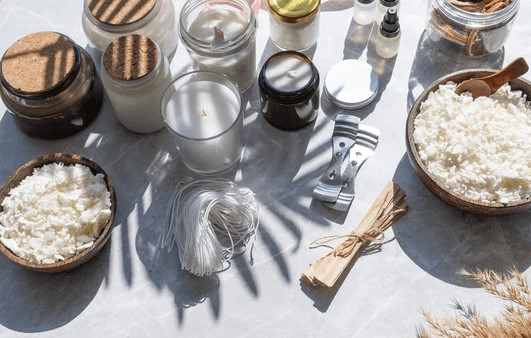
Fragrance is one of the most important elements of a scented candle. Experienced manufacturers carefully test fragrance oils to ensure:
- Strong cold scent performance
- Excellent hot scent throw
- Stable fragrance after burning
- Compatibility with different wax types
A professional factory works with fragrance specialists to develop unique scent profiles that match different market trends.
2. Candle Fragrance Development and Testing
Creating a successful scented candle requires more than adding fragrance oil into melted wax.
The fragrance percentage, mixing temperature, and wax formula must be carefully controlled. Too much fragrance may affect burning performance, while too little fragrance may result in a weak scent experience.
During the testing stage, manufacturers evaluate:
- Fragrance strength before burning
- Fragrance release during burning
- Candle appearance after cooling
- Burning time and flame stability
For brands developing private label candles, fragrance customization allows products to stand out in competitive markets.
3. Wax Melting and Fragrance Mixing Process
Once raw materials are prepared, the manufacturing process begins.
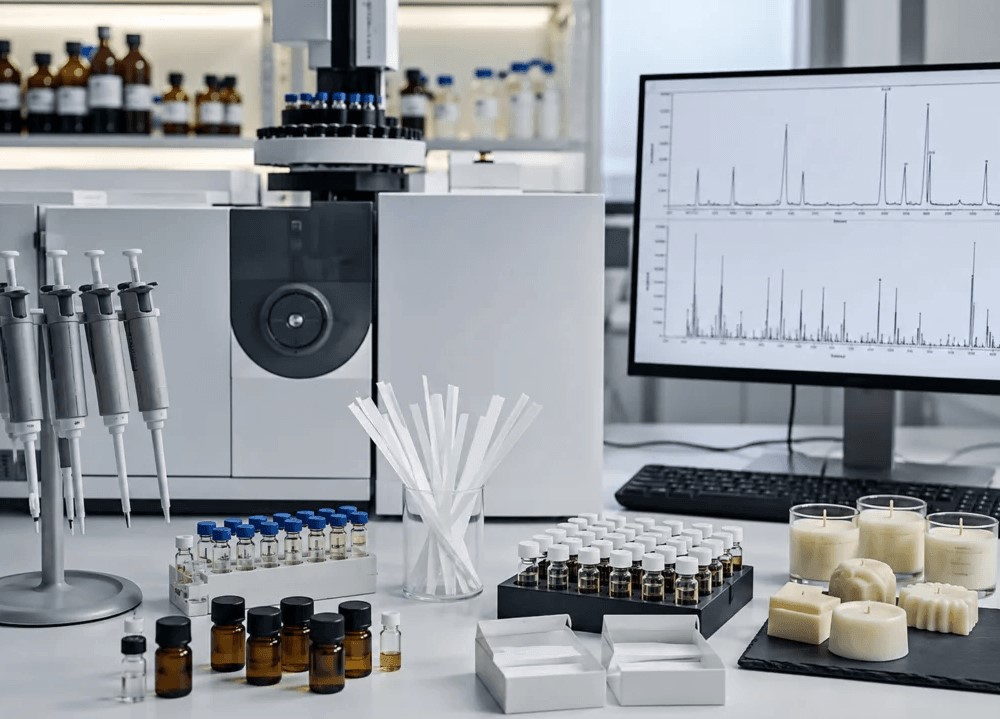
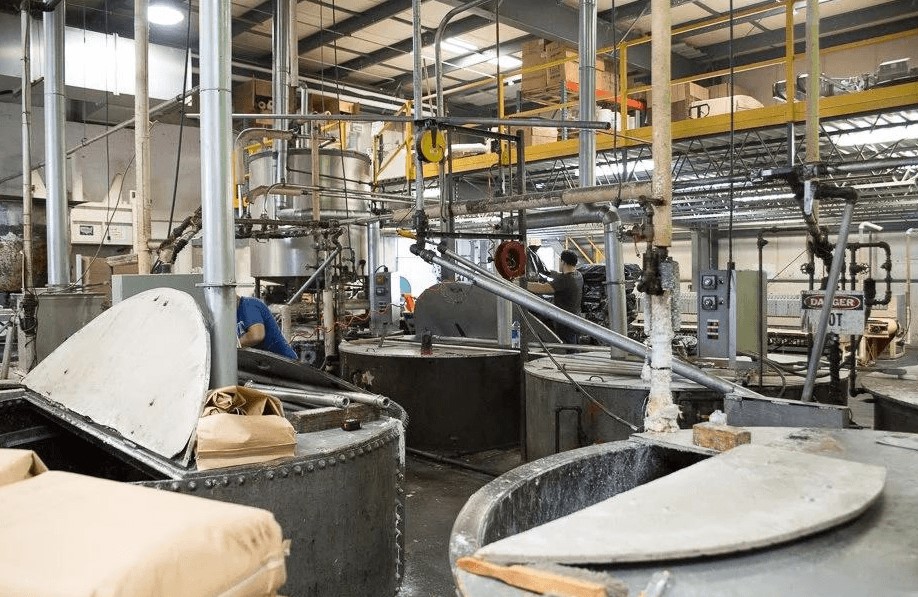
The wax is heated inside professional melting equipment under controlled temperatures. Maintaining the correct temperature is important because overheating can damage wax quality and affect fragrance performance.
The general process includes:
- Measuring the required wax quantity
- Melting wax at controlled temperatures
- Adding fragrance oils at the correct stage
- Mixing evenly to ensure consistency
- Preparing the wax mixture for pouring
Professional candle factories use standardized production procedures to ensure every batch maintains the same quality.
4. Wick Selection and Installation
The wick plays a critical role in candle performance. A suitable wick ensures stable burning, proper flame size, and reduced smoke.
Different candles require different wick choices depending on:
- Candle diameter
- Wax type
- Fragrance concentration
- Container size
Common wick options include:
- Cotton wick
- Wooden wick
- Specialty wicks for large candles
Before mass production, manufacturers conduct wick testing to ensure the candle burns safely and evenly.
5. Candle Pouring and Molding Process
After the wax and fragrance mixture is prepared, the candle enters the pouring stage.
There are two main production methods:
Container Candle Production
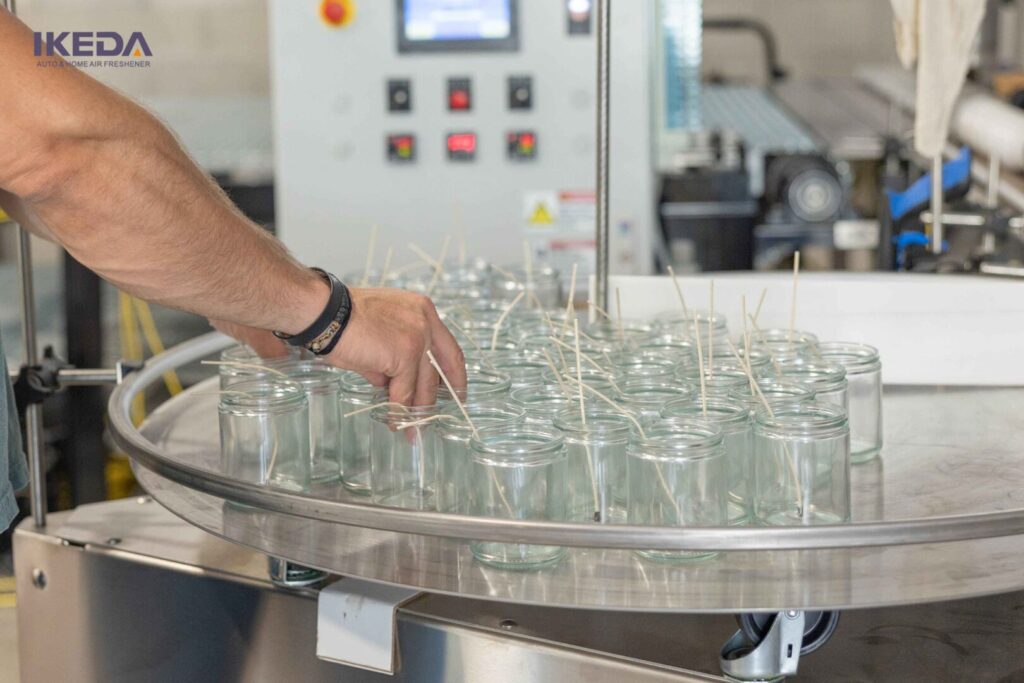
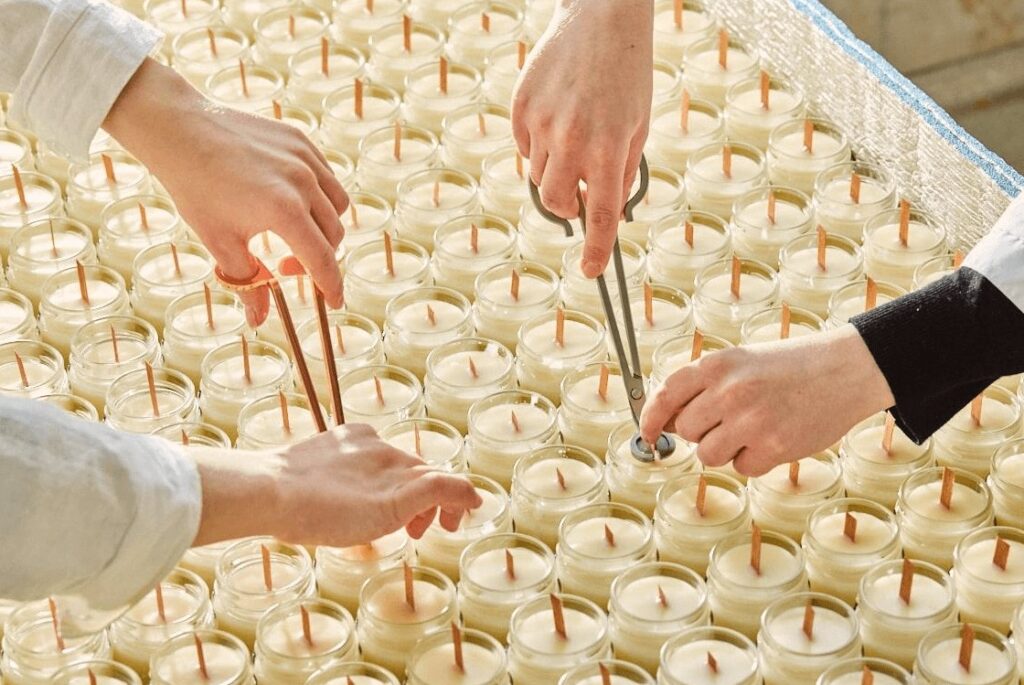
For jar candles, the wick is fixed in the container first. The melted wax is then carefully poured into glass jars, metal tins, or customized containers.
Temperature control during pouring is important to prevent:
- Cracks
- Uneven surfaces
- Air bubbles
- Wax separation
Mold Candle Production
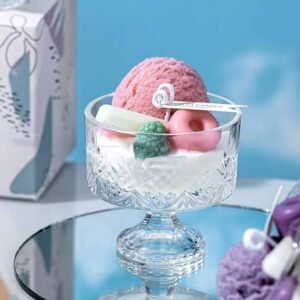
For decorative candles, manufacturers pour wax into customized molds to create different shapes and designs.
This method is commonly used for:
- Decorative candles
- Gift candles
- Seasonal collections
- Luxury candle products
A professional factory can support both standard and customized candle designs.
6. Cooling, Surface Treatment, and Finishing
After pouring, candles need sufficient cooling time to achieve the correct structure.
The cooling process affects:
- Surface smoothness
- Color consistency
- Wax stability
- Overall appearance
Some candles may require additional finishing processes, including:
- Surface treatment
- Wick trimming
- Cleaning containers
- Adding decorative elements
Proper finishing ensures the candles meet retail-quality standards.
7. Candle Quality Control Inspection
Quality control is one of the most important stages in professional candle manufacturing.
Before products are shipped, manufacturers inspect candles through multiple testing procedures.
Appearance Inspection
Quality teams check:
- Wax color consistency
- Surface condition
- Container cleanliness
- Label placement
- Packaging quality
Burning Performance Test
Candles are tested for:
- Burning time
- Flame stability
- Smoke level
- Wax melting performance
Fragrance Testing
Manufacturers evaluate whether the candle provides a consistent fragrance experience throughout burning.
Strict quality control helps brands reduce customer complaints and maintain product reputation.
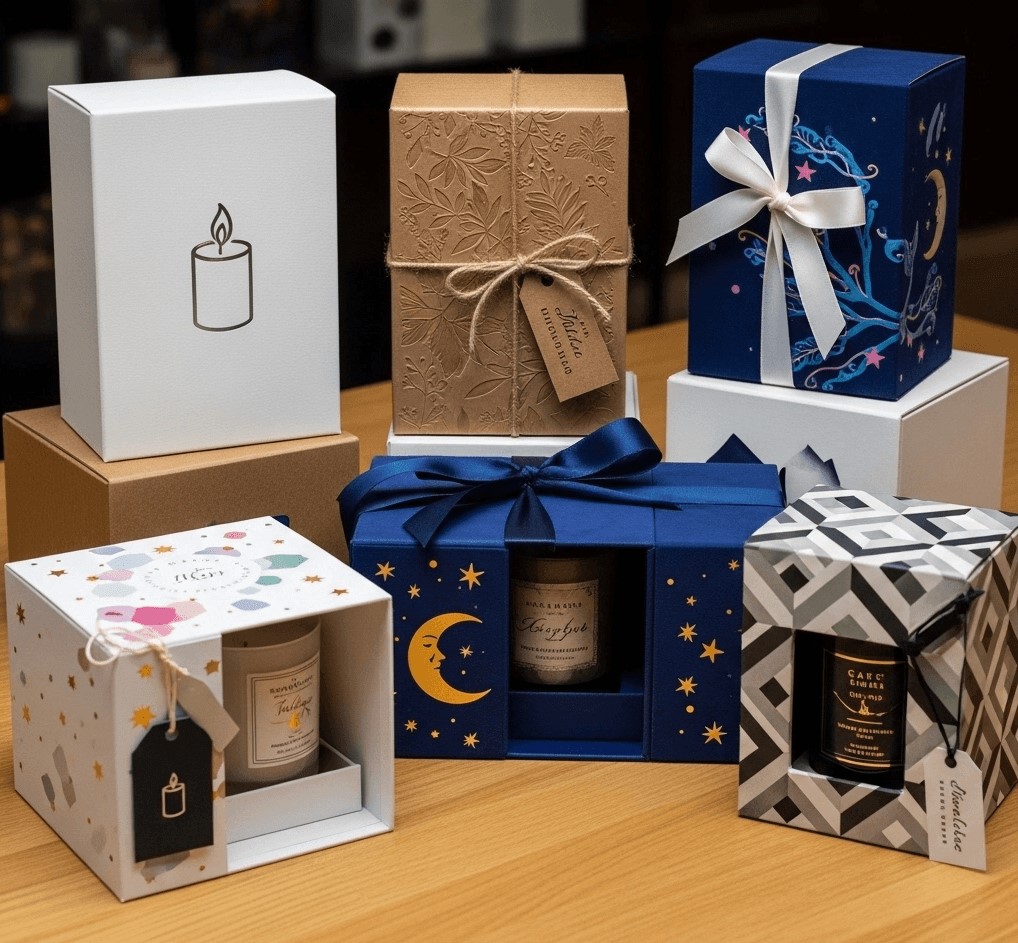
8. Packaging and OEM Private Label Candle Production
For businesses, packaging is an important part of candle branding.
Professional candle factories can provide complete OEM and ODM solutions, including:
- Custom candle formulas
- Custom fragrances
- Private label services
- Customized containers
- Logo printing
- Retail packaging design
Whether you are launching a new candle brand or expanding an existing product line, working with an experienced manufacturer can simplify the entire production process.
A reliable factory should be able to support different order volumes, from small customized projects to large-scale wholesale production.
9. How to Choose a Reliable Candle Manufacturer
Choosing the right candle supplier can directly affect your product success.
Before working with a manufacturer, businesses should consider:
Manufacturing Experience
A factory with years of production experience understands market requirements and quality standards.
Production Capacity
Large production capabilities ensure stable supply for growing brands.
Customization Ability
The manufacturer should be able to create unique products based on your brand concept.
Quality Control System
A professional quality management process helps ensure consistent products.
Export Experience
Experienced suppliers understand international shipping requirements, documentation, and customer expectations.
Why Partner With a Professional Candle Factory?
A professional candle manufacturer provides more than production. They help brands transform ideas into market-ready products.
From fragrance development and product design to manufacturing and packaging, the right supplier becomes a long-term business partner.
For retailers, wholesalers, and private label brands, partnering with an experienced candle factory means:
- Consistent product quality
- Flexible customization options
- Reliable production capacity
- Better market competitiveness

Frequently Asked Questions About Candle Manufacturing
How are candles manufactured in a factory?
Candles are manufactured through several steps, including raw material selection, wax melting, fragrance mixing, wick installation, pouring, cooling, quality inspection, and packaging.
What type of wax do professional candle manufacturers use?
Professional manufacturers use different wax types, including paraffin wax, soy wax, beeswax, and blended wax depending on product requirements and target markets.
Can candle factories produce private label candles?
Yes. Many candle manufacturers offer OEM and ODM services, including custom fragrances, packaging, candle designs, and branding solutions.
How long does it take to manufacture candles?
Production time depends on order quantity, customization requirements, packaging design, and quality testing procedures.
How do manufacturers ensure candle quality?
Factories perform appearance checks, burning tests, fragrance evaluations, and production inspections to ensure consistent quality.
Conclusion
Behind every successful candle product is a professional manufacturing process that combines technology, craftsmanship, and quality control.
Whether you are building a new candle brand or sourcing wholesale candles, choosing an experienced candle manufacturer is the key to creating reliable products that customers love.
A trusted factory partner can help you develop unique candle products, improve market competitiveness, and grow your business with confidence.
Looking for a reliable candle manufacturer for your private label business? Contact IKEDA today for custom candle solutions and wholesale production support.