The candle category has shifted from a niche home-decor item to a global lifestyle product — driven by wellness trends, social-media virality, and retailers expanding fragrance assortments. For B2B buyers and brand owners, private label manufacturing is the most efficient model to scale, control quality, and build an international brand presence fast. This article explains the modern candle business model, surface-proof strategies for margin and scale, and exactly how a manufacturing partner should support each step of your growth.
1. The modern candle market in one sentence
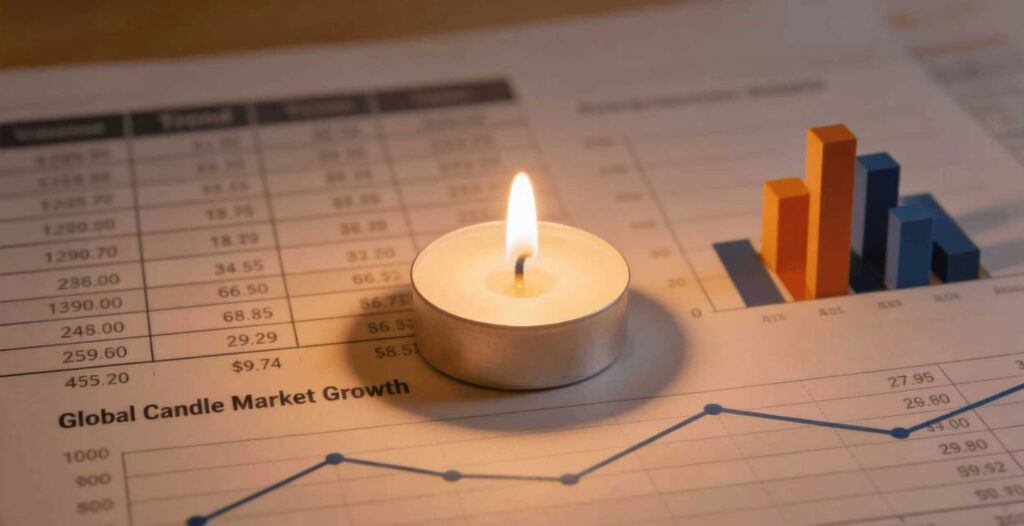
Demand is growing and diversifying — premium, eco-friendly, and “experience” candles (wood-wick ASMR, scentscaping) are expanding retail assortments while e-commerce and subscription channels accelerate replenishment cycles. These shifts create opportunities — but only if your supply chain, branding and logistics scale together.
2. Why private label manufacturing is the strategic core of today’s candle business model
Faster time-to-market for viral trends
Platforms like TikTok and Instagram can make a scent or vessel go viral overnight. With private label OEM/ODM support you can move from concept to sample, to production far quicker than handmade models — crucial for capitalizing on short-lived trends.
Lower unit cost, higher margins
Manufacturers buy wax, fragrance, jars, and packaging in bulk and optimize production runs. That supply-chain scale converts into better wholesale pricing and healthier retail margins for you.
Consistent quality & regulatory compliance
Leading manufacturers run burn tests, scent throw validation and fragrance safety compliance (IFRA standards). This protects your brand and smooths exports.
Scalability for global retail
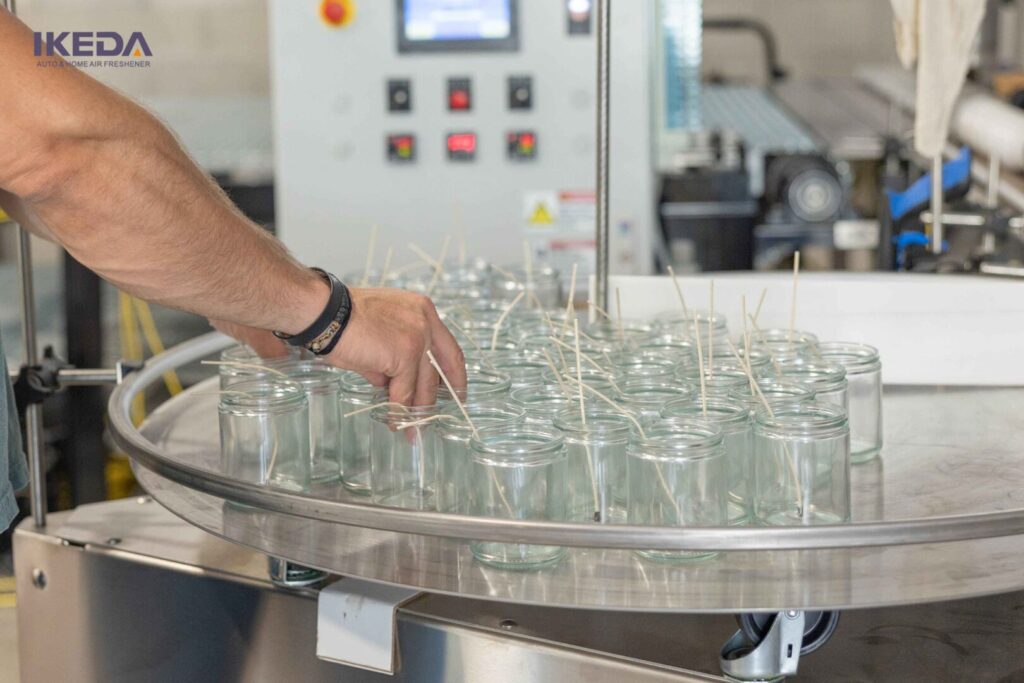
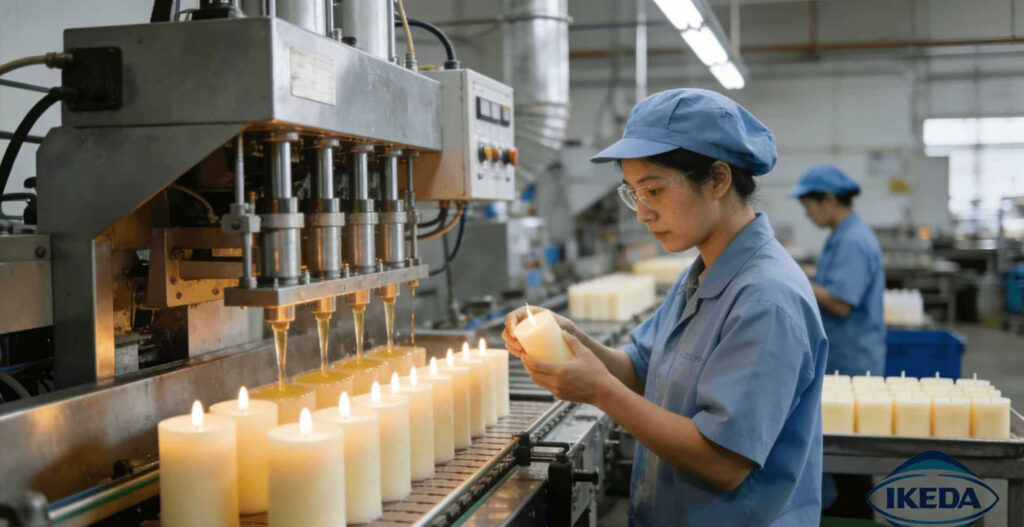
From boutique stores to large retail chains, scaling requires production stability — automated filling lines, stable lead-times, and the ability to handle multi-SKU orders. Private label partners provide that operational backbone.
3. Core elements of a B2B-ready candle business model
Below are the practical pillars your brand must secure — and how a manufacturer should support each.
A. Brand & Product Strategy (Positioning + Assortment)
- Define tiering: luxury, mid-market, value.
- Standardize vessel families across tiers to reduce tooling and SKUs.
- Use a mix of evergreen scents (vanilla, lavender, citrus) and limited editions for seasonality and promotions. Manufacturers can advise which scents have stable cost and highest sell-through.
B. Product Development (Fragrance, Wax, Wick)
- Ask your manufacturer for a fragrance lab or vetted fragrance house partners.
- Choose wax according to positioning: soy blends for eco claims; soy-paraffin blends for stronger scent throw at lower cost. Evidence shows soy-based and eco-friendly candles are a growing market segment.

C. Packaging & Cost Engineering
- Packaging often drives 30–50% of per-unit cost — optimize: one jar × multiple scents, standardized outer cartons, smart inserts to reduce damage. (Packaging optimization is one of the fastest margin levers a factory can deliver.)
D. MOQ & Production Cadence
- Negotiate flexible MOQ tiers: prototypes (small), seasonal test runs (medium), annual replenishment (bulk). A good partner offers low-MOQ sample programs and scalable pricing.
E. Compliance & QA for Exports
- Confirm IFRA compliance, MSDS for fragrance oils, and packing lists for sea/air. Manufacturers experienced with exports save you delays and fines.
4. Frequent B2B questions — and how a manufacturer should answer them
- “Can we start with low MOQ?” — Yes, if the factory has standardized vessels and a sample program. Low MOQ reduces risk and accelerates testing.
- “How fast are samples and mass production?” — Samples: 7–14 days typical; mass runs: 25–45 days depending on customization and season. (Exact timing varies; confirm in contract.)
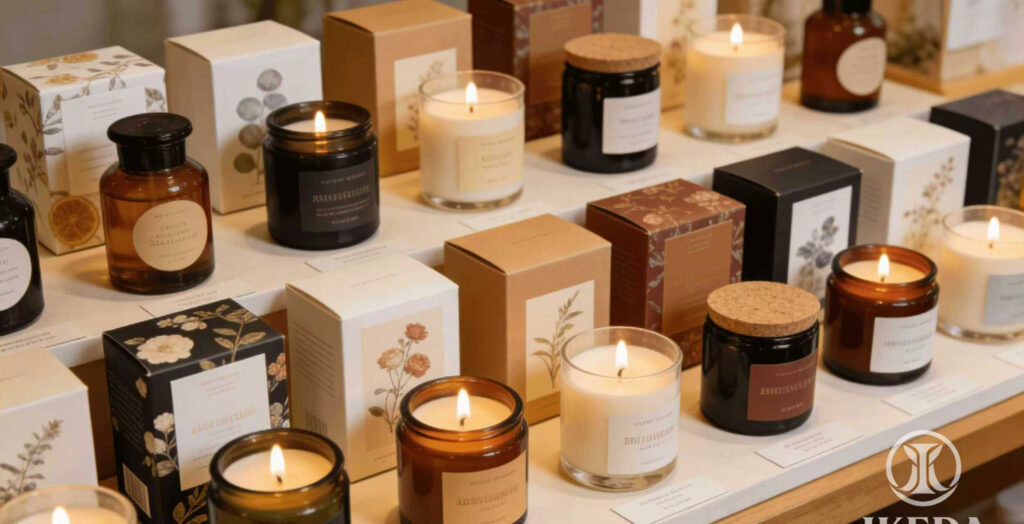
- “Can you handle multi-channel packaging?” — A reliable manufacturer offers retail-ready boxes, e-commerce-friendly packaging, and bulk cartons for wholesalers.
- “How do you ensure scent consistency?” — Through standard fragrance recipes, % fragrance load controls, and batch scent checks.
- “Are eco claims verifiable?” — Manufacturer must provide material specs, supplier certifications, and traceability for soy, recycled glass, or FSC labels.

5. Profit & pricing levers every brand should use (manufacturer-enabled)
- **Standardize jar families** to reduce SKU & tooling cost.
- Use manufacturer scent blends that balance throw vs cost.
- Bulk packaging buy through the factory to win volume discounts.
- Bundle SKUs for retail (e.g., 3-pack gifts) to lift AOV.
- Seasonal pre-orders to fund production and guarantee volume discounts.
- These tactics are practical — they convert into predictable per-unit cost reductions and higher gross margins.
6. Go-to-market case examples
- Retail roll-out: A lifestyle chain replaced artisanal suppliers with a private-label partner; same retail price point, 30–40% lower COGS, and consistent replenishment across 150 stores.
- Influencer collaboration: An influencer brand used private label OEM to deliver limited drops and scaled to multiple markets without creating in-house production — faster launches and cleaner margins.
(Concrete case studies like these are compelling on a manufacturer site — include anonymized metrics to build trust.)
7. How to choose the right private label manufacturing partner
- Production capacity and automation vs. artisanal capability
- MOQ flexibility & transparent tiered pricing
- Fragrance lab & IFRA compliance track record. ([IFRA][4])
- Packaging engineering & supplier network
- Export experience (documents, DGR handling)
- QC protocols: burn tests, scent checks, packaging drop tests
8. Final: Build global brands by treating manufacturing as a strategic partner
Private label manufacturing is not a commodity transaction — it’s a strategic partnership. The best manufacturers act as product engineers, supply-chain managers, and compliance advisors. When you treat them as a partner rather than a vendor, you unlock faster launches, better margins, and scaled global distribution.
If you want, we can help you with: product line strategy, low-MOQ sample packs, fragrance selection, packaging optimization, and a tailored cost-savings plan for your first 3 SKUs.
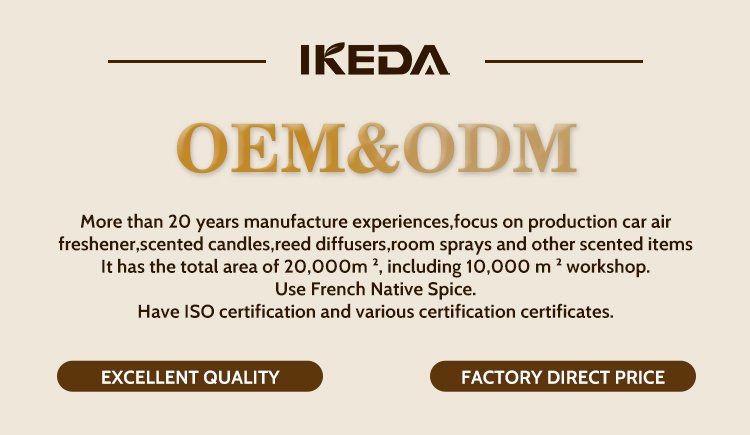
Ready to build a global candle brand? Contact our OEM/ODM team for a free strategy call, sample kit, and margin estimates.